

Once I forgot to take my antibiotic dose and worried if it would still help. Remember, consistency is key, but if you miss a dose, don’t panic! Just talk to your doctor for guidance and keep up with your treatment for a speedy recovery.
Missing a dose of antibiotics may reduce their effectiveness, but it’s essential to consult your doctor for guidance. Staying consistent with your medication regimen is crucial for successful treatment and recovery.
Let’s dive into our insightful article to discover the impact of missed doses on antibiotic efficacy and uncover expert advice to keep your treatment on track for a healthy recovery.
What To Do If You Miss A Dose – Ensure Your Treatment Stays On Track!
1. Check the Medication Leaflet:
When you miss a dose of antibiotics, the first step is to refer to the medication leaflet provided with your antibiotics.
The leaflet typically contains detailed instructions on what to do if you miss a dose, explicitly tailored to your medication.
It’s essential to carefully read and follow these instructions as they provide valuable guidance on proceeding.
2. Take the Missed Dose When Remembered:
In many cases, you can take the missed dose as soon as you remember it. However, ensuring an appropriate gap between the missed dose and your next scheduled dose is crucial.
Taking the missed dose promptly helps maintain the concentration of the antibiotic in your system, ensuring effective treatment.
3. Avoid Doubling Up:
Doubling up on doses of antibiotics is generally not recommended unless specifically instructed by your healthcare provider.
Taking extra antibiotics to compensate for missed doses can increase the risk of side effects without improving the effectiveness of the treatment.
It’s essential to adhere to the prescribed dosage to avoid potential adverse reactions and ensure optimal treatment outcomes.
4. Continue with Regular Schedule:
If it’s almost time for your next scheduled dose when you remember the missed one, it’s best to skip it. Continuing with your regular dosing schedule helps maintain consistency in antibiotic levels in your body, which is crucial for effective treatment.
Consistency in taking antibiotics as prescribed by your healthcare provider is key to successful treatment and recovery from bacterial infections.
By following these guidelines, you can minimize the impact of missed antibiotic doses on your treatment and ensure that you are on track for a successful recovery. Always consult your healthcare provider for any concerns or questions about your medication regimen.
Read: The Power of õygen: Enhancing Health and Well-being
Potential Risks Of Missing Antibiotic Doses – Stay Vigilant For Optimal Health!
1. Incomplete Treatment:
Skipping doses or not completing the full course of antibiotics can result in incomplete treatment. When antibiotic treatment is incomplete, it may not fully eradicate the bacteria causing the infection.
Incomplete treatment creates an environment where bacteria can survive and potentially develop resistance to the antibiotic being used.
2. Increased Risk of Recurrence:
Missing doses of antibiotics can increase the risk of recurrent or persistent infections. Incomplete treatment may not fully eliminate the bacteria causing the infection, allowing them to persist and potentially multiply.
This can lead to a resurgence of symptoms and the need for additional rounds of treatment, prolonging the recovery process and potentially causing further complications.
3. Development of Antibiotic Resistance:
Inconsistent antibiotic use, including missing doses, contributes to the development of antibiotic resistance. Bacteria exposed to suboptimal levels of antibiotics may adapt and become resistant to the medication.
This resistance can render the antibiotic less effective in future treatments, making infections more challenging to treat and increasing the risk of complications.
Can Taking Extra Antibiotics Make Up for Missed Doses – Ensure Your Treatment Plan Works!

Some people may wonder if taking extra antibiotics can compensate for missed doses. However, doubling up on medication is not recommended and may have adverse consequences.
1. Increased Risk of Side Effects: Taking extra antibiotics can increase the risk of experiencing side effects associated with the medication. These may include gastrointestinal symptoms such as nausea, vomiting, and diarrhea, as well as allergic reactions or interactions with other medications.
2. No Improvement in Effectiveness: Doubling up on antibiotics does not improve the effectiveness of the treatment. The concentration of the medication in your system is carefully prescribed to target the bacteria causing the infection effectively. Taking more medication than prescribed does not enhance this efficacy.
3. Follow Prescribed Dosage: It’s important to follow your healthcare provider’s prescribed dosage and schedule. Consult your doctor or pharmacist for guidance if you have concerns about missed doses or your treatment regimen.
Understanding Your Antibiotic Medication – Effective Treatment!
Understanding the details of your antibiotic medication is essential for successful treatment. Here’s what you should know:
1. Name and Uses: You must familiarize yourself with the name of your antibiotic and its intended uses. Understanding why you’ve been prescribed the medication can help reinforce the importance of adherence to your treatment regimen.
2. Dosage and Administration: Know the prescribed dosage and how to administer the medication properly. Follow the instructions provided by your healthcare provider or pharmacist carefully to ensure optimal effectiveness.
3. Warnings and Precautions: Be aware of any warnings or precautions associated with your antibiotic medication. This may include information about potential side effects, drug interactions, or special considerations for certain populations, such as pregnant women or individuals with pre-existing medical conditions.
4. Expiration Date: Check the expiration date of your antibiotic medication to ensure its potency and effectiveness. Using expired medication may not effectively treat the infection and could potentially be harmful.
Importance Of Completing The Full Course Of Antibiotics – Path to Recovery!
Completing the full course of antibiotics is essential for successful treatment and preventing the development of antibiotic resistance.
1. Eradication of Bacteria:
Completing the full course of antibiotics ensures that the concentration of the medication in your system remains sufficient to eradicate the bacteria causing the infection fully. Stopping treatment prematurely may allow residual bacteria to survive and multiply.
2. Prevention of Recurrence:
Completing the full course of antibiotics reduces the risk of recurrent or persistent infections. By effectively treating the underlying infection, you decrease the likelihood of experiencing a resurgence of symptoms and the need for additional treatment.
3. Prevention of Antibiotic Resistance:
Completing the full course of antibiotics helps minimize the development of antibiotic resistance. Consistent exposure to suboptimal levels of antibiotics, such as through incomplete treatment, can contribute to the emergence of resistant bacteria, making future infections more challenging to treat.
Strategies To Remember Your Medication Schedule – Take Control Of Your Health Journey!

- Set Reminders: Use alarms or reminders on your phone or other devices to alert you when it’s time to take your medication. Choose a consistent time each day to establish a routine.
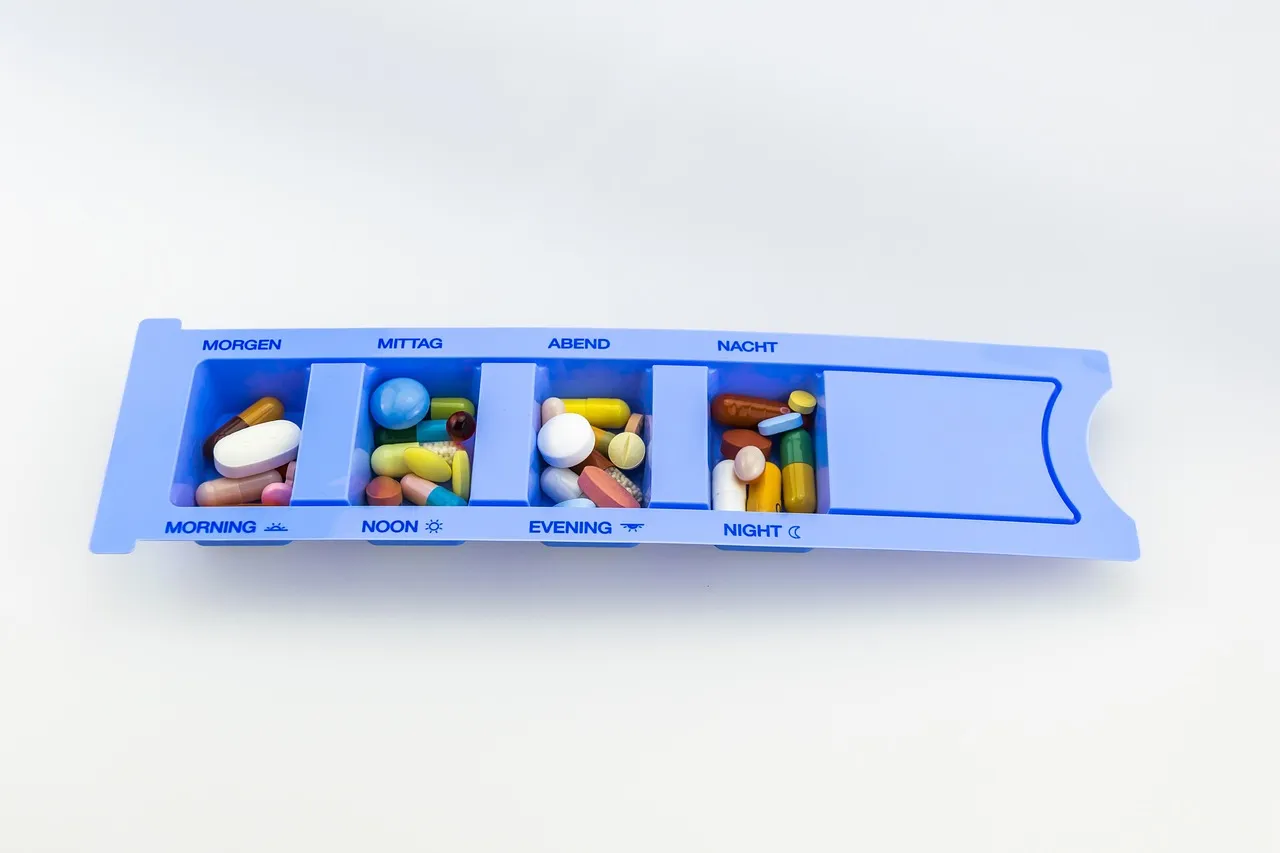
- Use Medication Organizers: Consider using a medication organizer or pillbox to separate and organize your doses for each day of the week. This can help you visually track your medication intake and ensure you haven’t missed any doses.
- Link to Daily Routines: Associate taking your antibiotics with established daily routines, such as brushing your teeth or eating meals. Integrating your medication schedule into existing habits can make it easier to remember.
- Educate Yourself: Understand the importance of adherence to your antibiotic treatment regimen. Knowing why you’re taking the medication and the potential consequences of missed doses can motivate you to stay on track.
- Involve Support System: Inform family members, friends, or caregivers about your medication schedule and ask for their support in reminding you to take your antibiotics as prescribed.
Read: Where can I use my ascension complete flex card? A Pro Guide In 2023
Frequently Asked Questions:
1. Can Missing Antibiotic Doses Lead to Antibiotic Resistance?
Yes, inconsistent antibiotic use, including missing doses, can contribute to the development of antibiotic resistance. This occurs when bacteria adapt to antibiotics and become resistant, challenging future infections.
2. What Should I Do If I Accidentally Miss Multiple Doses of Antibiotics?
If you miss multiple doses of antibiotics, it’s essential to consult your healthcare provider immediately. They can assess the situation and guide whether adjustments to your treatment plan are necessary.
3. Are There Specific Antibiotics That Require Strict Adherence to Dosing Schedules?
Some antibiotics have narrow therapeutic windows and require strict adherence to dosing schedules for optimal effectiveness. Your healthcare provider can provide specific instructions for medications with stringent dosing requirements.
4. Can Missing Antibiotic Doses Impact the Success of Future Antibiotic Treatments?
Yes, incomplete antibiotic treatment can contribute to the development of bacterial resistance, potentially reducing the effectiveness of future antibiotic treatments. Completing antibiotic courses as prescribed is essential to maintain treatment efficacy over time.
Final Insight:
Consistently taking antibiotics as prescribed is vital. Missing doses can lead to incomplete treatment, antibiotic resistance, and treatment failure. Always consult healthcare providers for guidance to ensure effective treatment.
Leave a Reply