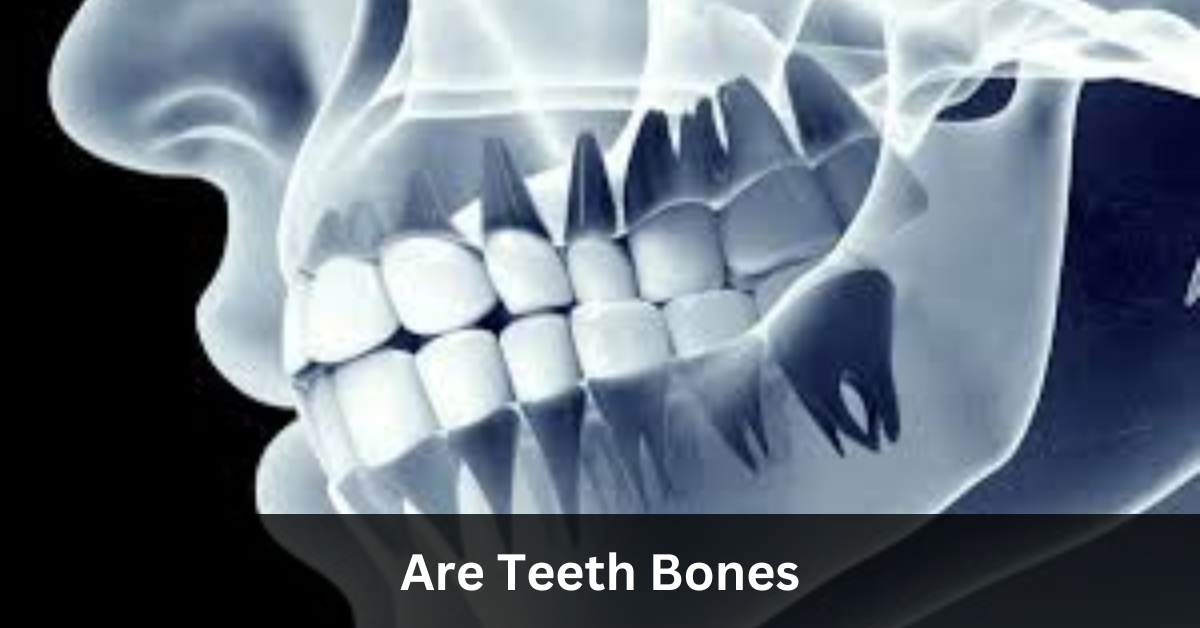

Teeth and bones: two vital components of the human body that often get lumped together in discussions about structure and health. They share similarities, undoubtedly, but are teeth really bones? Let’s delve into this intriguing topic and unravel the truth behind this common misconception.
Understanding the Similarities:
Teeth and bones look strikingly similar at first glance. Both are sturdy, white structures, and they share some commonalities, such as being composed of calcium. In fact, calcium is a primary component of both teeth and bones, playing a crucial role in their strength and density. It’s no wonder that they’re considered the hardest substances in the human body.
Calcium holds a significant presence in the body’s mineral composition, with over 99 percent stored in bones and teeth. The remaining percentage circulates in the bloodstream, contributing to various bodily functions. This abundance of calcium in both teeth and bones might contribute to the misconception that they are one and the same.
Conquering the Unseen Terrain: The Lan Astron Legacy
The Truth Unveiled:
Despite their similarities, teeth and bones are fundamentally different in composition and structure. While both contain calcium, their makeup and function set them apart.
Bones are living, dynamic tissues that continuously undergo a process called remodeling. This process involves the removal of old bone tissue by cells called osteoclasts and the formation of new bone tissue by cells called osteoblasts. Bones play critical roles in supporting the body, protecting vital organs, producing blood cells, and storing minerals such as calcium and phosphorus.
Teeth, on the other hand, are not considered living tissue. They consist of three primary layers: enamel, dentin, and pulp. Enamel, the outermost layer, is the hardest and most mineralized tissue in the body, primarily composed of minerals like hydroxyapatite. Dentin lies beneath the enamel, providing structural support, while the pulp contains nerves and blood vessels.
Unveiling the Ultimate NBA Live Streaming Experience with MethStreams
Unlike bones, teeth do not undergo continuous regeneration or remodeling. Once damaged, teeth cannot regenerate like bones can. This fundamental difference underscores the importance of dental care and maintenance to preserve oral health.
Implications for Healing and Care:
Understanding the distinction between teeth and bones has significant implications for healthcare and maintenance. When bones fracture, they have the remarkable ability to repair themselves through the process of bone remodeling. However, teeth lack this regenerative capacity. Once enamel is lost due to decay or damage, it cannot be naturally restored by the body.
Therefore, maintaining good oral hygiene practices, such as regular brushing, flossing, and dental check-ups, is crucial for preserving dental health. Preventive measures can help prevent decay and damage to teeth, minimizing the need for extensive dental interventions.
What is 02045996870? – Its a Government Agency Contact
The Intricacies of Tooth Structure:
To truly grasp the differences between teeth and bones, it’s essential to delve deeper into their intricate structures. While bones consist primarily of collagen fibers and minerals like calcium and phosphorus, teeth have a unique composition tailored to their specific functions.
Enamel, the outermost layer of teeth, is highly mineralized and serves as a protective barrier against wear and tear. Beneath the enamel lies dentin, a dense, bony tissue that provides structural support and protection for the delicate pulp at the tooth’s core. This intricate layering ensures the strength and resilience of teeth, allowing them to withstand the forces of chewing and biting.
Specialized Functions of Teeth:
Another key distinction between teeth and bones lies in their specialized functions within the body. Bones serve as the structural framework that supports and protects various organs and tissues, while also facilitating movement through the attachment of muscles.
Showbizztoday. Com Celebrity Gossip Music – A Complete Guide Of Information!
Teeth, on the other hand, are specialized structures designed for the mastication and breakdown of food. Each type of tooth—incisors, canines, premolars, and molars—plays a specific role in the chewing process, efficiently breaking down food into smaller, digestible pieces. This specialization underscores the unique evolutionary adaptations that have shaped the form and function of teeth throughout human history.
Developmental Origins:
The developmental origins of teeth and bones further highlight their distinct nature. Bones originate from mesenchymal stem cells, which differentiate into osteoblasts responsible for bone formation. This process begins during embryonic development and continues throughout life, with bones constantly remodeling and adapting to changing physiological demands.
In contrast, teeth develop from ectodermal tissue, with tooth formation initiated during prenatal development and completed shortly after birth. Once teeth erupt through the gums, their growth and development are largely complete, aside from minor changes in size and shape over time.
Confronting the Uncomfortable Truths About Suboxone’s Risks
Clinical Implications and Treatment Approaches:
Understanding the differences between teeth and bones is essential for clinicians when diagnosing and treating oral health conditions. While both can be affected by diseases such as osteoporosis and periodontal disease, the treatment approaches may vary significantly.
For example, fractures in bones may require surgical intervention and the use of orthopedic devices to promote healing, whereas dental fractures may be addressed through restorative procedures such as fillings or crowns. Additionally, certain medications used to treat bone conditions may have implications for dental health, highlighting the interconnectedness of these two systems within the body.
In essence, while teeth and bones share some similarities, their unique structures, functions, and developmental origins set them apart. By gaining a deeper understanding of these differences, we can better appreciate the complexity of the human body and develop more effective strategies for maintaining optimal health and functionality.
Confronting the Uncomfortable Truths About Suboxone’s Risks
Biomechanical Considerations:
Beyond their structural and functional disparities, teeth and bones also diverge in their biomechanical properties. Bones exhibit remarkable flexibility and strength, allowing them to withstand a variety of forces without fracturing. This resilience is attributed to their hierarchical structure, which dissipates stress and distributes loads efficiently throughout the skeletal system.
In contrast, teeth are subject to different mechanical stresses, primarily compression and shearing forces during chewing and biting. While enamel provides a robust outer layer to resist wear, teeth are more susceptible to damage from excessive forces, leading to conditions such as tooth fractures or enamel erosion. Understanding these biomechanical differences is essential for designing prosthetic devices or treatment modalities that mimic natural tooth function and durability.
Nutritional Considerations:
Nutritional factors also play a critical role in maintaining the health and integrity of teeth and bones. Both require a balanced diet rich in essential nutrients, particularly calcium, phosphorus, vitamin D, and vitamin K, to support optimal growth, development, and maintenance.
Unveiling the Power of USPhoneBook: Your Ultimate Guide to Reverse Phone Lookups
Calcium and phosphorus are vital for mineralizing bone tissue and strengthening tooth enamel, while vitamin D facilitates calcium absorption and regulates bone metabolism. Vitamin K is involved in bone mineralization and may also contribute to dental health by promoting proper blood clotting and preventing gum disease. Deficiencies in these nutrients can impair bone density, increase the risk of fractures, and compromise dental health, emphasizing the importance of dietary choices in supporting overall skeletal and oral well-being.
Age-Related Changes:
As individuals age, both teeth and bones undergo physiological changes that impact their structure, function, and resilience. Bone density tends to decline with age, resulting in decreased bone mass and increased susceptibility to fractures and osteoporosis. Similarly, teeth may experience age-related wear, erosion, or loss due to factors such as grinding, acid erosion, or periodontal disease.
Is Basic Industries a Good Career Path?
These changes can affect oral health and function, leading to issues such as tooth sensitivity, mobility, or tooth loss. Proper oral hygiene practices, regular dental check-ups, and a healthy lifestyle can help mitigate age-related changes and preserve the longevity of both teeth and bones, supporting overall well-being throughout the lifespan.
Conclusion:
In conclusion, while teeth and bones share some similarities, they are distinct structures with different compositions, functions, and regenerative capacities. Understanding these differences is essential for proper healthcare and maintenance. So, are teeth bones? No, they’re not. But they’re equally deserving of attention and care to ensure optimal health and functionality.
Are teeth bones? No, they’re not. But they’re equally deserving of attention and care to ensure optimal health and functionality.
Leave a Reply