
The automotive industry is in the midst of a dramatic transformation, where the virtues of electric vehicles (EVs), connected technologies, and autonomous driving are undeniably the stars of the show.
However, beneath these high-profile changes, there is another, more subtle revolution taking place – one that involves the very building blocks of vehicle construction. This revolution centers around lightweight materials, primarily aluminum, and more specifically – aluminum extrusions.
In this post, we’ll explore the role that aluminum extrusions are playing in the evolution of automotive design and manufacturing. We will dissect the processes involved, examine the benefits, and forecast how this seemingly niche technique is on the cusp of making major waves in the industry as a whole.
Understanding Aluminum Extrusions
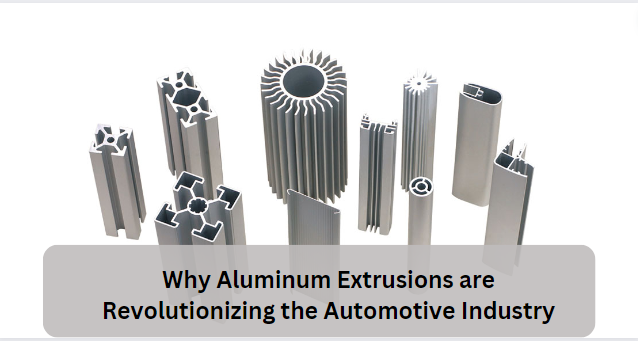
To appreciate the impact of aluminum extrusions in automobiles, it is crucial to understand what this process entails. Aluminum extrusion involves transforming aluminum alloy into objects with a definitive cross-sectional profile for a wide range of applications.
This is done by forcing the raw aluminum billet through a shaped die, producing complex cross-sectional parts with excellent dimensional accuracy. The primary products of the extrusion process are profiles, which can range from solid to hollow forms, such as rods and bars with simple or intricate designs.
These profiles are then potentially followed by additional processing such as bending, milling, or welding to manufacture final components.
Benefits of Aluminum Extrusions
The process presents myriad benefits, such as:
High Strength-to-Weight Ratio: Aluminum’s inherent strength, when alloyed correctly, allows for the production of components that are both strong and lightweight – an essential property for modern vehicles seeking to improve performance and reduce fuel consumption.
Corrosion Resistance: Unlike steel, which can rust, aluminum is significantly more resistant to corrosion. This is a critical advantage considering the longevity of modern vehicles.
Customization and Complex Geometries: The extrusion process allows for the creation of highly customizable parts with complex geometries, which can provide designers with much more freedom when seeking to optimize both form and function.
Exceptional Heat Conductivity: Aluminum’s high thermal conductivity is ideal for heat dissipation, which is important for some automotive components like electric vehicle battery packs.
Reduced Tooling Costs: Extrusions can often reduce the need for complex, expensive tooling, particularly when compared to traditional stamping or casting methods. This cost-saving feature has a cascading effect on the overall affordability of automotive parts.
Evolution of Aluminum in the Automotive Sector
The use of aluminum in the automotive industry is not a new concept, but its adoption at scale and in critical components is accelerating. Here are some pivotal moments in its automotive history:
The Early Days
The first recorded use of aluminum in car manufacturing dates back to the beginning of the 20th century. Initially, aluminum was used for low-stress applications such as pistons, due to its superior thermal properties and low weight. Over time, as manufacturing processes improved, it found its way into a wider variety of parts.
The Tipping Point
The turning point came in the late 20th century when strict fuel efficiency standards and performance demands led to a more strategic use of aluminum. The Corvette C5, in 1997, became the first mass-produced vehicle to feature an all-aluminum frame, and from there, the material’s role in the industry only grew.
The Aluminum Intensive Revolution
Today, aluminum is part of a lineage of material transformations that include advanced high-strength steel (AHSS), carbon fiber, and composites. However, aluminum stands out due to its widespread availability, cost-effectiveness, and the maturity of its mass production processes.
Where Extrusions Fit In
As noted earlier, extrusions are leading the charge for aluminum in automotive parts production. They provide solutions to many of the design challenges posed by modern vehicles, such as structural strength and weight reduction, while still being cost-effective.
Structural Components
One noticeable area where extruded aluminum is making strides is in structural components. These parts include crash rails, battery enclosures, crossbeams, and body panels. Here, extrusions offer strength, durability, formability, and the ability to integrate easily with other components such as fasteners.
Chassis Components
The chassis of a vehicle is critical because it provides a platform for the powertrain and suspension components. Extruded aluminum chassis parts are becoming increasingly popular due to their high stiffness-to-weight ratio and corrosion resistance. They also require fewer joints, which reduces the likelihood of failure in high-stress situations.
Future Trends and Innovations
The future of aluminum extrusions in the automotive industry is promising, with ongoing research and development pushing the boundaries of what’s possible.
Emerging Technologies
The automotive industry’s move towards electric and autonomous vehicles is changing the requirements for components inside and outside the vehicle. Aluminum extrusions, with their versatility, are primed to meet these new challenges with innovative solutions.
Environmental Sustainability
Aluminum is not just about improved performance and innovative design. Its use in the automotive industry is also a sustainability play. With the end of life being a significant concern for EV batteries, aluminum’s recyclability is a valuable asset in the eco-friendly design of automobiles.
Conclusion
If you’re wondering where to find high-quality aluminum extrusions for your automotive needs, start by searching for “Aluminum Extrusions Near Me.” This search can help you locate suppliers who specialize in the type of high-strength, lightweight aluminum components essential for modern vehicle design.
Choosing a local supplier can also facilitate easier communication, faster turnaround times, and potentially lower shipping costs, making it a practical step toward sourcing the best materials for your automotive projects. As technology continues to advance, we can expect even more exciting developments and innovations in the use of aluminum extrusions in the automotive industry. So keep an eye out for this space – it’s only going to get better from here!
Leave a Reply