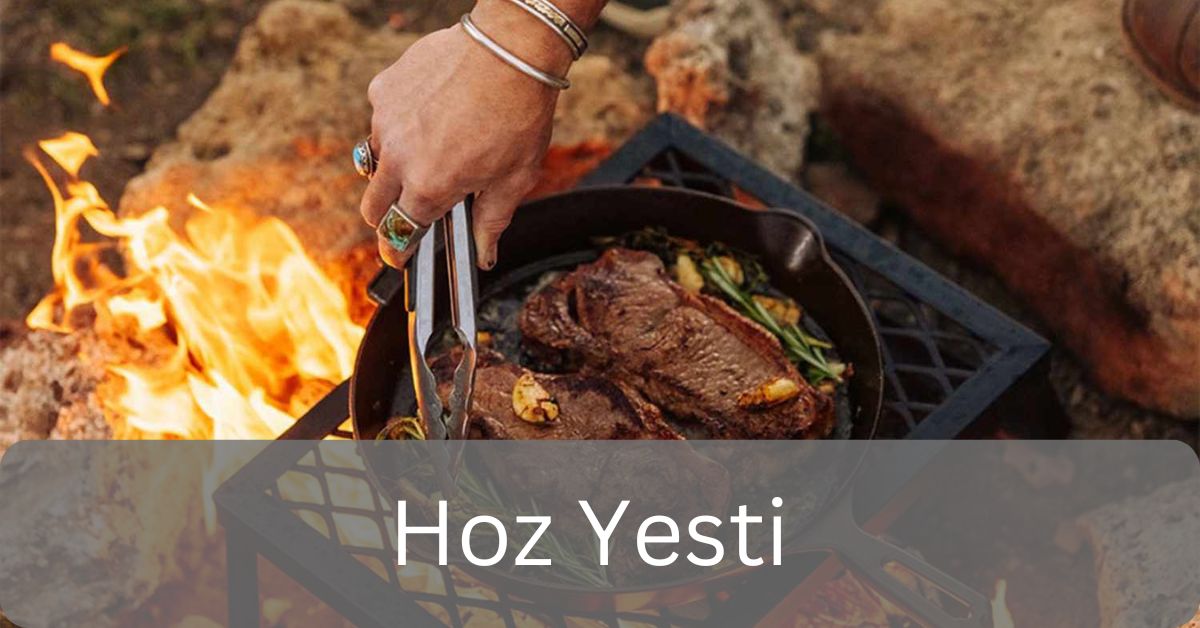

In the world of culinary delights, there are numerous dishes that tantalize the taste buds and offer a glimpse into different cultures.
Among these, Hoz Yesti stands out as a unique and flavorful dish that has captured the attention of food enthusiasts worldwide.
In this comprehensive guide, we delve into the origins, ingredients, preparation methods, and cultural significance of Hoz Yesti, providing readers with an in-depth understanding of this intriguing dish.
Understanding the Origins of Hoz Yesti!
Hoz Yesti traces its origins to the rich culinary traditions of Uzbekistan, a country renowned for its diverse and flavorful cuisine.
The dish is believed to have originated in the Fergana Valley, an area known for its fertile lands and abundant produce.
Over the centuries, Hoz Yesti has evolved, incorporating influences from neighboring regions and cultures, resulting in a dish that is as diverse as it is delicious.
Exploring the Ingredients!
Central to the creation of Hoz Yesti are its key ingredients, which come together to create a harmonious blend of flavors and textures.
The dish typically consists of tender pieces of lamb or beef, which are marinated in a mixture of spices and aromatics, such as garlic, onions, and coriander. Other essential ingredients include carrots, potatoes, and tomatoes, which add depth and complexity to the dish.
Preparing Hoz Yesti – A Step-by-Step Guide!
Marinating the Meat: Begin by marinating the lamb or beef in a mixture of garlic, onions, coriander, salt, and pepper. Allow the meat to marinate for at least an hour to allow the flavors to meld together.
Searing the Meat: In a large pot or Dutch oven, heat oil over medium-high heat. Add the marinated meat and sear until browned on all sides, sealing in the juices and flavor.
Adding the Vegetables: Once the meat is browned, add the chopped carrots, potatoes, and tomatoes to the pot. Stir well to combine and coat the vegetables in the flavorful juices.
Simmering to Perfection: Reduce the heat to low and cover the pot. Allow the Hoz Yesti to simmer gently for 1-2 hours, or until the meat is tender and the vegetables are cooked through.
Adjusting Seasonings: Before serving, taste the Hoz Yesti and adjust the seasonings as needed. Add more salt, pepper, or spices to suit your taste preferences.
Cultural Significance of Hoz Yesti!

In Uzbekistan, Hoz Yesti holds a special place in the hearts and homes of its people. Often served during celebrations and gatherings, the dish brings families and friends together, fostering a sense of unity and community.
Beyond its culinary significance, Hoz Yesti also serves as a symbol of Uzbekistan’s rich cultural heritage, showcasing the country’s diverse flavors and traditions to the world.
Health Benefits of Hoz Yesti!
While Hoz Yesti is undeniably indulgent and flavorful, it also offers several health benefits when enjoyed in moderation.
Lean cuts of meat provide a good source of protein, essential for muscle growth and repair. Additionally, the dish is rich in vitamins and minerals from the vegetables, helping to support overall health and well-being.
Tips for Serving Hoz Yesti:

When serving Hoz Yesti, consider accompanying it with traditional Uzbek flatbread, known as “non,” and a side of yogurt or sour cream for added creaminess.
Garnish with fresh herbs, such as cilantro or parsley, to brighten up the dish and add a pop of color. For an authentic experience, pair Hoz Yesti with a glass of Uzbekistan’s famous green tea, known for its fragrant aroma and smooth flavor.
Conclusion
Hoz Yesti is more than just a dish – it’s a culinary journey that transports diners to the heart of Uzbekistan, where tradition and flavor collide. With its rich history, diverse ingredients, and cultural significance, Hoz Yesti continues to captivate food enthusiasts around the world, offering a taste of Uzbekistan’s vibrant culinary heritage. Whether enjoyed at home or experienced in a bustling Uzbek market, Hoz Yesti is sure to leave a lasting impression on all who have the pleasure of savoring its delicious flavors.
FAQs
1. Can Hoz Yesti be made vegetarian-friendly?
Yes, Hoz Yesti can be adapted to a vegetarian version by substituting the meat with plant-based alternatives such as mushrooms or tofu.
2. Are there any regional variations of Hoz Yesti?
Yes, different regions of Uzbekistan may have their own unique twists on Hoz Yesti, varying in ingredients and seasoning preferences.
3. Can Hoz Yesti be prepared in advance and reheated?
Absolutely, Hoz Yesti often tastes even better when reheated as the flavors have had time to meld together.
4. Is Hoz Yesti commonly served with any specific side dishes?
While traditional Uzbek flatbread and yogurt are popular accompaniments, some regions may serve Hoz Yesti with rice or pilaf.
5. Are there any special occasions or festivals where Hoz Yesti is traditionally served?
Hoz Yesti is often enjoyed during weddings, family gatherings, and religious celebrations in Uzbek culture.
6. Can the marinade for Hoz Yesti be customized to suit individual tastes?
Absolutely, feel free to adjust the marinade by adding or omitting ingredients according to personal preferences.
7. Is Hoz Yesti a dish commonly found in Uzbek restaurants outside of Uzbekistan?
While it may not be as prevalent as other Uzbek dishes, Hoz Yesti can sometimes be found in Uzbek restaurants around the world, especially those specializing in Central Asian cuisine.
Leave a Reply