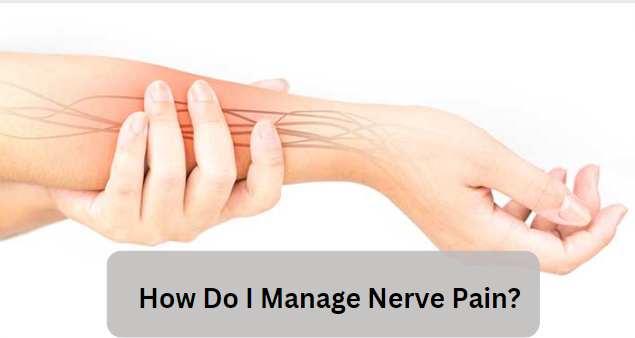

Nerve pain arises from disturbances in the nervous system, leading to burning, stabbing, or tingling sensations.
Effective pain management for this type of discomfort often requires a multifaceted approach that addresses its causes. Here are some strategies and treatments that will help you manage nerve pain and improve your quality of life:
Determine the Source
Various conditions, such as diabetes, shingles, or traumatic injuries, will damage nerves and lead to neuropathic pain. Engaging with healthcare professionals to conduct thorough examinations and diagnostic tests helps you establish the cause of your pain.
These evaluations may include blood tests, imaging studies, and nerve function tests, which help pinpoint the nature of the neuropathy. An understanding of the pain’s origin will guide the development of tailored treatment plans, increasing the effectiveness of the employed strategies.
Medications for Nerve Pain
Medications offer relief by targeting various aspects of nerve signal transmission. Commonly prescribed medications include anticonvulsants, which reduce the nerve’s ability to send pain signals to the brain. Antidepressants can also modify the chemical processes in the brain that perceive pain.
Topical treatments, including capsaicin cream and lidocaine patches, provide localized relief with minimal systemic side effects. Have open discussions with healthcare providers about the benefits and potential side effects of any medications.
Adherence to prescribed treatments, along with regular monitoring and adjustments by a medical professional, helps manage nerve pain effectively.
Physical Therapy and Exercise
Tailored physical therapy programs aim to strengthen muscles, improve flexibility, and enhance mobility, reducing the stress on the nervous system. Specific exercises may also stimulate nerves and muscles, promoting improved nerve function and potentially alleviating pain.
Techniques such as stretching, strength training, and aerobic exercises can improve nerve function when performed consistently. Physical therapists may incorporate manual therapy techniques, including massage and joint mobilization, to address pain symptoms. The goal of physical therapy and exercise is to manage pain, restore function, and improve the quality of life.
Alternative Therapies
Alternative therapies offer additional avenues for individuals seeking relief from nerve pain. Acupuncture involves inserting needles into specific points on the body to alleviate pain. Acupuncture helps relieve nerve pain, providing a non-pharmacological option for patients.
Biofeedback techniques teach individuals to control physiological functions, such as muscle tension and heart rate, which influence pain perception. Massage therapy reduces muscle tension and improves circulation, potentially easing neuropathic pain.
These therapies serve as valuable components of a holistic strategy for managing pain when combined with more conventional treatments.
Lifestyle Changes
A healthy diet rich in nutrients supports overall body health and can contribute to nerve repair. Regular physical activity improves blood flow to nerves in the extremities, aiding in pain management. Avoiding tobacco and limiting alcohol intake can also minimize nerve pain.
While implementing these lifestyle modifications requires commitment and patience, they can lead to improvements in pain levels and overall well-being.
Transcutaneous Electrical Nerve Stimulation (TENS)
This method can reduce pain by interrupting or blocking pain signals sent to the brain. TENS can also stimulate the production of endorphins, which are natural painkillers produced by the body. The intensity and frequency of the electrical stimulation can be adjusted, allowing for personalized treatment settings.
While TENS therapy is beneficial for some individuals with nerve pain, its effectiveness can vary. Consult with a healthcare provider to determine if TENS is a suitable option. This will also help you receive proper instruction on its use to achieve the desired results.
Find Relief With Effective Pain Management
Managing nerve pain effectively requires a multifaceted approach, combining medical treatments, lifestyle adjustments, and other alternative therapies.
Effective pain management is also a collaborative process involving open communication with healthcare providers. Consult a trusted pain management professional today to learn how to better manage your nerve pain.
Leave a Reply