
The importance of “I’m your huckleberry” goes beyond its surface-level meaning. This phrase embodies confidence, readiness, and capability, serving as a powerful tool in communication.
I’m your huckleberry,” means being the right person for a task or challenge and reflecting confidence and readiness. Embrace its significance to convey capability and empower your communication.
Let’s unveil the significance behind “I’m your huckleberry” – a phrase brimming with confidence and readiness. Understand its essence and empower your language. Delve into its rich history and embrace its timeless message today.
What Does ‘I’m Your Huckleberry’ Mean – Unravel The Mystery And Embrace Confidence!
“I’m your huckleberry” is like saying, “I’m ready and capable.” It’s an old saying from the 1800s that means you’re the right person for the job or challenge.
Imagine someone asking for help, and you confidently respond, “I’m your huckleberry,” meaning you’re up for it and can handle it well. This phrase shows confidence and willingness to take on tasks or face difficulties.
Even though it started long ago, this phrase is still used today to show readiness and capability. It’s more than just words; it’s a way to say you’re prepared and confident in yourself.
So, the next time you hear someone say, this phrase remember they’re saying they’re ready and able to help or take on whatever comes their way.
When Was The Phrase First Used – Journey Through Time!
The phrase “I’m your huckleberry” has its roots in the 1800s, when it was commonly used as an expression. During this time, it was part of everyday language, reflecting the attitudes and communication styles of the era. It wasn’t just a passing trend; rather, it was a phrase that held meaning and significance for people of that time.
Its usage extended beyond casual conversations, as it was also used to convey willingness and capability for various tasks or challenges. Over time, it became ingrained in popular culture, appearing in movies like “Tombstone,” gaining further recognition and appreciation.
Read: 6movies.Net – Discover More Today!
How Is The Phrase Used Today – Embrace Your Huckleberry Spirit!
Today, “I’m your huckleberry” continues to resonate in various contexts, from casual conversations to professional settings.
It serves as a declaration of confidence and readiness, indicating one’s willingness to take on challenges or tasks with enthusiasm. Whether in personal interactions or the workplace, the phrase is employed to convey a sense of capability and assurance.
Moreover, it has transcended its historical origins to become a part of contemporary vernacular, with its usage extending to social media, pop culture references, and everyday language.
In essence, “I’m your huckleberry” remains a powerful expression of readiness and confidence in navigating the complexities of modern life.
Why The Phrase Is Misinterpreted – Unraveling the Misunderstanding!

1. The Confusion Begins:
Despite its clarity, the phrase “I’m your huckleberry” has been misconstrued due to the auditory similarity between “huckleberry” and “huckle bearer.” This misinterpretation led to the false notion that the phrase referred to serving as a pallbearer.
2. Dispelling Misconceptions:
Clarification from reputable sources, such as Val Kilmer’s autobiography, has played a crucial role in debunking misconceptions surrounding the phrase. Kilmer affirmed the correct wording as “I’m your huckleberry,” reinforcing its original meaning of readiness and capability.
3. Navigating Linguistic Nuances:
While efforts have been made to clarify its meaning, occasional confusion persists, highlighting the importance of accurate interpretation and historical context. By recognizing the intended meaning behind the phrase, people can avoid misunderstandings and appreciate its significance in communication.
Examples Of Usage – Explore The Endless Possibilities!
1. Tombstone (1993):
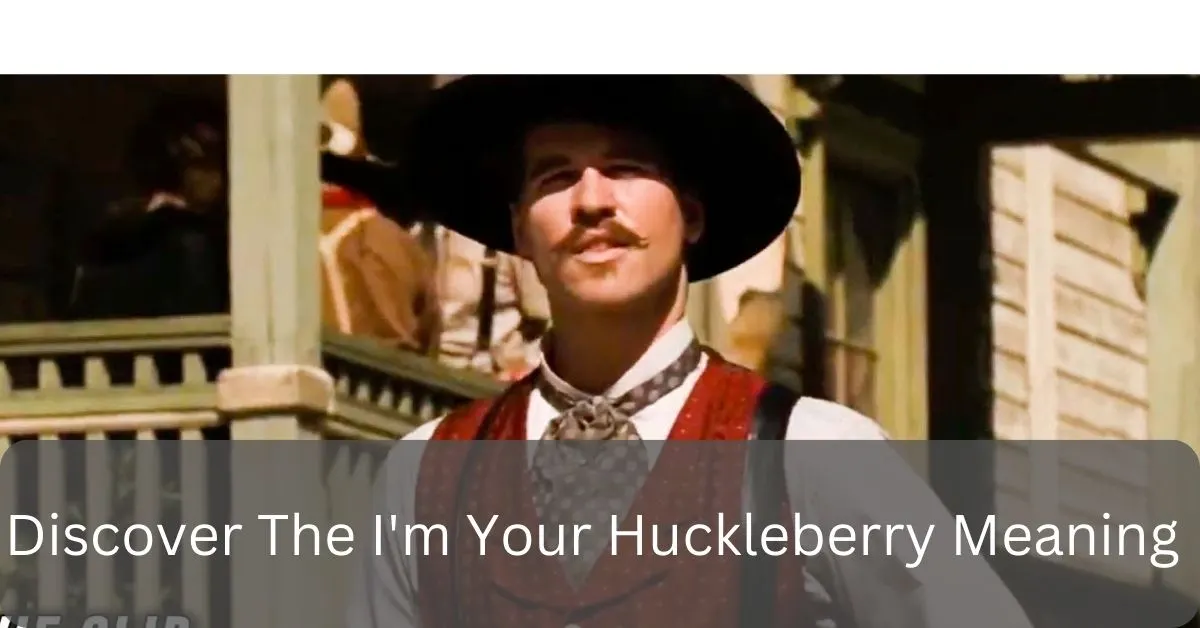
- In the movie “Tombstone,” the character Doc Holliday, played by Val Kilmer, uses the phrase “I’m your huckleberry” as a confident and assertive response in various confrontations. For instance, he utters it when challenged to a duel, emphasizing his readiness to face his opponent.
- The repetition of the phrase throughout the film not only underscores Doc Holliday’s character traits but also reinforces its significance as a declaration of readiness and capability in the face of adversity.
2. Literature:
- In literature, authors have incorporated the phrase “I’m your huckleberry” into dialogue or narration to convey similar sentiments of confidence and willingness. For example, a protagonist might use the phrase when accepting a daunting task or agreeing to confront a difficult situation.
- By including the phrase in literary works, writers evoke its historical and cultural connotations, enriching the characterization and themes of their stories.
3. Everyday Conversation:

- Outside of fictional contexts, people use the phrase “I’m your huckleberry” in everyday conversation to express their readiness and willingness to help or participate in a given situation. For instance, someone might say, “You need someone to help with that project? I’m your huckleberry,” indicating their eagerness to assist.
- The phrase’s usage in casual dialogue reflects its enduring appeal and cultural significance, permeating language beyond its original historical context.
4. Social Media and Memes:
- On social media platforms like Twitter, Facebook, and Instagram, users often create memes or share posts featuring the phrase “I’m your huckleberry” in humorous or relatable contexts. These memes may use images or GIFs from “Tombstone” or other relevant sources to add humor or visual appeal.
- The phrase gains further exposure through social media and becomes part of contemporary internet culture, reinforcing its status as a memorable and impactful expression.
5. Pop Culture References:
- In addition to its presence in movies and literature, the phrase “I’m your huckleberry” is referenced in various pop culture mediums, including TV shows, video games, and music. For example, a character in a TV series might use the phrase during a pivotal moment, echoing its usage in “Tombstone.”
- These references serve to perpetuate the phrase’s cultural significance and ensure its continued recognition among audiences across different forms of entertainment.
Read: A true relationship is two imperfect people refusing – tymoff
Frequently Asked Questions:
1. What cultural significance does “I’m your huckleberry” hold?
“I’m your huckleberry” embodies confidence and readiness entrenched in American culture, symbolizing a can-do attitude. Its usage in movies and literature, particularly in Westerns like “Tombstone,” has cemented its place in popular culture lore.
2. How does “I’m your huckleberry” differ from similar expressions?
Unlike generic assurances, “I’m your huckleberry” carries historical weight and evokes the spirit of the Old West. It’s associated with iconic figures like Doc Holliday, adding depth and authenticity to its meaning.
3. Can “I’m your huckleberry” be applied in professional settings?
Absolutely. Its versatility allows individuals to assert their competence and readiness in various professional environments. Whether in meetings, presentations, or negotiations, using this phrase can convey confidence and a proactive approach.
4. How is the phrase relevant in modern language?
Despite its historical origins, “I’m Your Huckleberry” remains relevant today as a declaration of confidence and willingness to face challenges. It’s commonly used in everyday conversations, literature, and popular culture.
Final Thoughts:
“I’m your huckleberry” isn’t just words; it shows you’re ready and capable. It’s been around for a long time, but it still means the same thing today. It’s about feeling confident and strong, and it connects with people from different backgrounds and ages.
Leave a Reply